

Ismaili Dua Book PDF: A Comprehensive Guide
Ismaili.net offers searchable resources, including Dua texts, while the Diwan of the Ismaili Imamat holds significance.
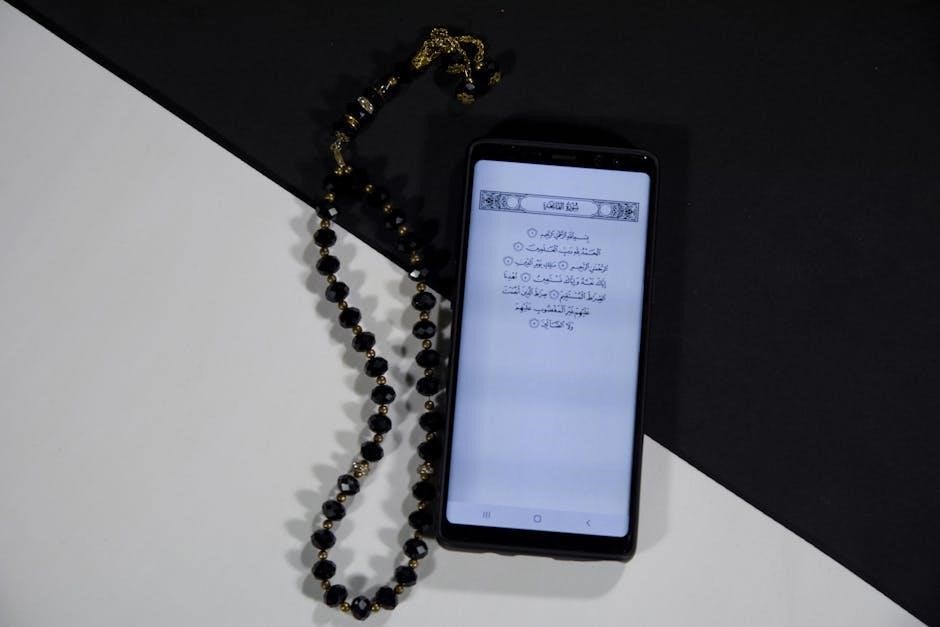
PDF formats of Dua books are available, reflecting traditions from Arab, Persian, and South Asian communities.
Ismaili Dua represents a unique and deeply personal form of supplication within the Shia Ismaili Muslim tradition. It’s more than just a recitation; it’s a spiritual connection to the Divine and to the Imam of the time. Resources like Ismaili.net provide access to these sacred texts, showcasing the rich heritage of Ginans and Qasidas incorporated within the Dua.
The availability of Ismaili Dua books in PDF format facilitates wider access for the global Jamat, preserving and disseminating these vital spiritual practices. Understanding its origins requires acknowledging the diverse cultural influences – Arab, Persian, and South Asian – that have shaped its evolution.
The Significance of Dua in Ismaili Islam
Dua holds paramount importance in Ismaili Islam, serving as a direct link between the believer and the Divine, mediated through the Imam. It’s a cornerstone of spiritual practice, fostering a profound connection with the Imamate and embodying the essence of faith. Access to Ismaili Dua books, often available in PDF format, strengthens this connection for the global community.
The practice, particularly the three daily prayers, isn’t merely ritualistic; it’s a conscious effort to internalize Ismaili beliefs and values. Resources like Ismaili.net demonstrate the centrality of Dua within the faith, alongside the teachings of the Aga Khan.
Historical Context of Ismaili Dua Literature
Ismaili Dua literature boasts a rich history, evolving across diverse geographic regions – Arab, Persian, Central Asian, and South Asian – reflecting cultural nuances within the faith. Early texts, often preserved through oral traditions and later compiled into manuscripts, laid the foundation for contemporary Dua practices. The availability of these texts in PDF format, facilitated by platforms like Ismaili.net, ensures wider accessibility.
The Diwan of the Ismaili Imamat represents a significant milestone, while scholarly work, such as Azim Nanji’s research, illuminates the philosophical underpinnings of these devotional texts.
Understanding the Ismaili Dua
Ismaili Dua structure incorporates specific components, with key themes connecting believers to the Imam and encompassing philosophical concepts found in Ismaili texts.
The Structure of Ismaili Dua
Ismaili Dua, as a central practice, isn’t a rigid formula but possesses a discernible structure reflecting theological depth. The Nizari Ismaili tradition emphasizes three daily recitations, each with specific components. These prayers aren’t merely supplications; they are structured dialogues with the Divine, mediated through the Imam.
Resources like Ismaili.net and available PDF books reveal a pattern often beginning with praise (hamd), followed by declarations of faith (shahada), and culminating in requests (dua) for guidance and blessings. The structure also incorporates elements reflecting the Imam’s presence and authority, solidifying the connection between the believer and spiritual leadership.
Key Themes and Concepts within the Dua
Ismaili Dua, accessible through resources like Ismaili.net and PDF books, consistently revolves around core themes. Central is the concept of the Imamate – recognizing the Imam as a divine guide and intermediary. Gratitude for divine blessings and seeking forgiveness are also prominent.
The Dua frequently emphasizes the importance of spiritual purification and striving for moral excellence. Concepts of divine justice, wisdom, and compassion permeate the texts. Furthermore, the Dua reflects a deep connection to the Prophet Muhammad and his lineage, acknowledging the Imam as a direct descendant, reinforcing faith and devotion.
Linguistic Aspects of the Dua (Arabic, Persian, etc.)
Ismaili Dua demonstrates a rich linguistic tapestry, reflecting the diverse cultural origins of the community. While rooted in Arabic, the language of the Quran and Islamic tradition, significant portions are also composed in Persian. This is particularly evident in Ginans and Qasidas, poetic forms integral to the Dua tradition.
PDF versions of Dua books often showcase this linguistic blend. Texts from Arab Ismaili communities predominantly feature Arabic, while Persian traditions prioritize that language. South Asian communities incorporate local languages alongside Arabic and Persian, enriching the spiritual expression.
The Nizari Ismaili Dua Tradition
Nizari Ismaili Muslims are encouraged to recite the Dua three times daily, with PDF resources available through Ismaili.net and other platforms.
The Three Daily Prayers
Nizari Ismaili Muslims practice a unique tradition of offering the Dua, a specific prayer, three times each day. These prayers aren’t obligatory in the same way as Salah in other Islamic traditions, but are strongly encouraged as a vital spiritual practice. Access to the text of these prayers is increasingly available in PDF format, often sourced from Ismaili.net and other online repositories.
These daily recitations serve as a cornerstone of devotional life, fostering a direct connection with the Imam and reinforcing core Ismaili beliefs. The availability of Dua books in PDF format facilitates wider access and consistent practice within the global Jamat.
Specific Components of the Nizari Dua
The Nizari Dua isn’t a single, monolithic text; rather, it comprises distinct components recited in sequence. These elements, often found within Ismaili Dua Book PDF resources, include expressions of praise (hamd), glorification (tahlil), and supplication (munajat). Ismaili.net provides access to these texts, showcasing variations across regions.
The Dua frequently incorporates references to the Imam’s lineage and spiritual authority. Digitized versions, available as PDFs, allow for detailed study of the linguistic nuances and theological underpinnings of each component, aiding in deeper understanding and meaningful recitation.
Variations in Dua Recitation Across Regions
Ismaili Dua recitation exhibits fascinating regional variations, documented in numerous Ismaili Dua Book PDF resources. Communities with Arab, Persian, and South Asian roots often incorporate linguistic and stylistic differences reflecting their cultural heritage. Ismaili.net showcases some of these diverse expressions.
While the core themes remain consistent, the specific wording, pronunciation, and even the order of certain supplications can differ. Accessing PDF versions of regional Dua texts allows for comparative analysis, highlighting the rich tapestry of Ismaili spiritual practice and its adaptability across geographical boundaries.

Accessing Ismaili Dua Resources
Ismaili.net provides searchable Dua texts and audio, while PDF versions of Dua books are increasingly available online for Ismaili communities.
Ismaili.net as a Resource
Ismaili.net stands as a central, searchable digital repository for the Ismaili community, offering a wealth of resources related to faith and practice. It’s a comprehensive platform encompassing Ismaili images, audio recordings, and video content, alongside news updates concerning the Aga Khan and his initiatives.
Crucially, the site features Ismaili Ginans and Qasidas, traditional hymns and poems, and importantly, provides access to various Dua texts. Users can explore these resources, potentially finding digitized versions of Dua books, though direct PDF availability may vary.
The platform also hosts forums, articles, and even a ‘Virtual Jamatkhana’ experience, fostering connection and learning within the global Ismaili Jamat. It serves as a vital starting point for accessing information about the Ismaili Dua tradition.
Availability of Dua Books in PDF Format
Finding complete Ismaili Dua books in PDF format can be challenging, as official, centrally distributed digital versions are not always readily available. While Ismaili.net offers some textual resources, comprehensive Dua books in PDF are less common on the site itself.
However, various online sources and community-shared documents may contain digitized copies. Caution is advised when downloading from unofficial sources to ensure authenticity and accuracy of the texts.
Researchers and practitioners often rely on physical copies of these books, passed down through generations, or seek access through Ismaili community centers. The Diwan may also hold relevant materials.
Online Platforms for Dua Texts and Audio
Ismaili.net serves as a primary online platform, offering searchable collections of Ismaili texts, including some Dua-related material, though complete books in PDF format are limited. Various forums and community groups associated with the Ismaili faith may share Dua texts and audio recordings informally.
While dedicated platforms solely for Ismaili Dua audio are scarce, recordings of recitations may be found within broader Ismaili multimedia collections. The Institute of Ismaili Studies (IIS) website, while focused on scholarly work, may offer related resources.

The Role of the Imam in Dua

Dua connects Ismailis to the Imam, with guidance stemming from the Imam’s teachings and the Takht-nishini ceremony’s relevance.
The Imam’s Guidance on Dua
The Imam, as a direct descendant of the Prophet Muhammad, provides essential guidance on the proper understanding and recitation of Dua within the Nizari Ismaili tradition. This guidance isn’t merely procedural; it’s deeply rooted in the spiritual connection between the believer and the Imamate.
Resources like Ismaili.net and texts from the Institute of Ismaili Studies (IIS), alongside works by scholars like Azim Nanji, illuminate the philosophical underpinnings of this connection. The Imam’s teachings emphasize the importance of intention (Niyyah) and sincere devotion during Dua, fostering a personal relationship with the Divine.
Access to authentic Dua texts, often found in PDF format, ensures adherence to the Imam’s prescribed practices, preserving the integrity of this sacred act of worship.
Dua as a Connection to the Imam
Dua, within the Nizari Ismaili faith, transcends a simple prayer; it’s a vital link connecting the believer directly to the Imam. This connection is central to Ismaili spirituality, emphasizing the Imam’s role as a spiritual guide and intermediary.
Accessing authentic Dua texts, often available as PDF downloads from resources like Ismaili.net, facilitates this connection. The Diwan of the Ismaili Imamat embodies this spiritual lineage.
Understanding the historical context, explored through the Institute of Ismaili Studies (IIS) and scholars like Azim Nanji, deepens this bond, reinforcing the Imam’s guidance in daily spiritual practice.
Takht-nishini and its Relevance to Dua
The Takht-nishini, the ascension of Mawlana Shah Rahim al-Hussaini Hazar Imam to the office of Imamat, signifies a renewed spiritual focus for the Ismaili community. This event, held at the Diwan of the Ismaili Imamat in Lisbon, underscores the continuity of the Imamate and its central role in Dua.
Authentic Dua texts, accessible via resources like Ismaili.net and potentially in PDF format, become even more significant following the Takht-nishini, representing a direct connection to the Imam’s guidance.
Understanding the historical context, as researched by the IIS and Azim Nanji, enriches the meaning of Dua during this period of transition and reaffirmation.

Ismaili Beliefs and Practices Related to Dua
Dua connects Ismailis to the Imamate, a core belief, and complements worship like Salah. Proper Niyyah (intention) is vital when using Dua books or PDFs.
Dua and the Concept of Imamate
Dua within the Nizari Ismaili tradition is profoundly linked to the concept of the Imamate, representing a direct connection to the divinely appointed Imam. Ismaili Muslims believe the Imam is a direct descendant of Prophet Muhammad, serving as a spiritual guide and interpreter of faith.
Reciting Dua, particularly utilizing resources like a Dua book PDF, isn’t merely a ritualistic act, but a conscious acknowledgement of the Imam’s guidance and presence. The Imam’s teachings and wisdom are embedded within the Dua itself, fostering a spiritual communion. Accessing these texts, whether through Ismaili.net or other platforms, strengthens this vital link.
The Diwan of the Ismaili Imamat exemplifies this connection, and understanding the Imamate is crucial for appreciating the depth and significance of Ismaili Dua practices.
Dua in Relation to Other Forms of Worship (Salah)
Within Nizari Ismaili Islam, the prescribed daily Dua holds a unique position, differing from the obligatory Salah (ritual prayer) practiced in other Islamic traditions. While Ismailis are encouraged to recite the specific Dua three times daily, utilizing resources like an Ismaili Dua book PDF, Salah in its conventional forms isn’t considered obligatory.
However, Ismailis are free to offer Salah alongside the Dua, viewing it as a supplementary act of worship. The emphasis lies on the internal connection fostered through Dua, accessible via platforms like Ismaili.net, and the Imam’s guidance.
This distinction highlights the Ismaili emphasis on spiritual intention and direct communion with the divine, facilitated by the Imamate.
The Importance of Intention (Niyyah) in Dua
In Ismaili Islam, the sincerity of intention (Niyyah) is paramount when performing Dua, a practice often guided by resources like an Ismaili Dua book PDF. The recitation itself, whether accessed through Ismaili.net or other platforms, is secondary to the heartfelt connection sought with the Imam and the Divine.
A genuine Niyyah transforms the Dua from a mere ritual into a profound spiritual experience. This intention reflects a devotee’s submission, gratitude, and longing for guidance, aligning with the Ismaili emphasis on inner faith.
Understanding the philosophical underpinnings, as explored by scholars like Azim Nanji, deepens this intentionality.

Exploring Ismaili Texts and Philosophy
Institute of Ismaili Studies (IIS) resources and Azim Nanji’s work illuminate the philosophical context of Dua, enriching understanding beyond a PDF book.
The Institute of Ismaili Studies (IIS) Resources
The Institute of Ismaili Studies (IIS) serves as a pivotal resource for comprehending the profound intellectual and spiritual foundations underpinning Ismaili Dua. While a PDF Dua book provides the textual prayer, the IIS offers contextual understanding.
Its multilingual publications – in English, French, Persian, Arabic, and Russian – delve into Ismaili history, philosophy, and ethics. These resources illuminate the intricate relationship between Dua, the Imamate, and broader Ismaili cosmology.
Researchers can access scholarly articles and detailed analyses, enriching their appreciation of the Dua’s significance beyond its literal form, offering a holistic perspective unavailable solely through a downloadable PDF.
Azim Nanji’s Work on Ismaili Philosophy
Azim Nanji’s contributions to Ismaili philosophy are invaluable when seeking a deeper understanding of the context surrounding the Dua. His work, featured in the Internet Encyclopedia of Philosophy, elucidates the theological underpinnings that inform Ismaili devotional practices.
While a PDF of an Ismaili Dua book presents the prayer itself, Nanji’s scholarship reveals the philosophical concepts—like the Imamate and divine epistemology—that imbue the Dua with meaning.
Understanding these philosophical foundations enhances appreciation for the Dua as more than just recitation; it’s a profound expression of faith and connection.
Ismaili History and its Impact on Dua
Ismaili history profoundly shapes the structure and content of the Dua found within Ismaili Dua books, often available in PDF format. The traditions, stemming from Arab, Persian, Central Asian, and South Asian roots, have influenced regional variations in recitation.
The historical context of the Imamat, including events like the Takht-nishini, reinforces the Dua’s central role as a connection to the Imam.
Understanding this historical evolution provides a richer appreciation for the Dua beyond its textual form, revealing its dynamic relationship with the Ismaili community’s journey.

Cultural Variations in Ismaili Dua
Ismaili Dua traditions differ across Arab, Persian, and South Asian communities, reflected in PDF resources and regional recitation styles.
Arab Ismaili Dua Traditions
Arab Ismaili Dua traditions, deeply rooted in the early history of Ismaili Islam, often feature recitations in classical Arabic, reflecting the language of the Quran and early Ismaili texts. Access to these traditions, including digitized versions of historical Dua books in PDF format, is increasingly available through platforms like Ismaili.net and academic resources.
These Dua often emphasize themes of divine unity, the importance of the Imamate, and supplication for guidance. The preservation of these traditions within Arab Ismaili communities demonstrates a strong connection to their historical and spiritual origins, with variations existing across different regions and families. Finding authentic PDF copies requires careful sourcing.
Persian Ismaili Dua Traditions
Persian Ismaili Dua traditions are characterized by a rich literary heritage, often incorporating verses from classical Persian poetry alongside Arabic supplications. Many Dua texts are found within the Diwan and other historical collections, with increasing availability in PDF format through resources like the Institute of Ismaili Studies (IIS) and Ismaili.net.
These Dua frequently express devotion to the Imam, seeking spiritual enlightenment and guidance. The influence of Persian Sufi traditions is often apparent, emphasizing themes of love and mystical union. Authenticating PDF versions of these texts is crucial, ensuring adherence to established liturgical practices within Persian Ismaili communities.
South Asian Ismaili Dua Traditions
South Asian Ismaili Dua traditions demonstrate a unique blend of Persian, Arabic, and local linguistic influences, often expressed through Ginans – devotional hymns. Access to these Dua texts, including those in PDF format, is facilitated by platforms like Ismaili.net, preserving a vital part of the community’s spiritual heritage.
These traditions reflect the historical settlement of Ismaili communities in the Indian subcontinent. Authenticity of PDF versions is paramount, ensuring correct recitation and understanding. The Diwan also contains relevant material, and scholarly work, like that of Azim Nanji, provides context.
Contemporary Issues and Ismaili Dua
Ismaili leaders promote pluralism and interfaith dialogue; Dua resources, including PDF books, reflect these values within a globalized community.
Pluralism and Interfaith Dialogue
Ismaili traditions strongly emphasize adherence to pluralism and active participation in interfaith dialogue, principles reflected even in the accessibility of Dua resources. The availability of Ismaili Dua books in PDF format facilitates wider understanding and engagement with the faith’s spiritual practices.
This openness extends to interactions with diverse communities, fostering mutual respect and collaboration. Access to these texts, often found on platforms like Ismaili.net, promotes inclusivity. The Aga Khan’s leadership actively champions these values, encouraging Ismaili communities to build bridges with others, demonstrating faith’s compatibility with modern, diverse societies.
The Aga Khan’s Role in Promoting Ismaili Values
Mawlana Hazar Imam, the Aga Khan, plays a pivotal role in fostering Ismaili values, including spiritual devotion expressed through Dua. His leadership supports initiatives making Ismaili Dua resources, like PDF books, more accessible globally. The Takht-nishini signifies continuity and guidance in upholding these principles.
The Imam’s emphasis on education and ethical conduct strengthens the community’s commitment to faith. Platforms such as Ismaili.net, and resources from the Institute of Ismaili Studies, reflect this dedication. This commitment extends to promoting understanding and harmony within diverse societies, enriching the practice of Dua.
Ismaili Communities in the West
Ismaili communities in the West, originating from diverse traditions – Arab, Persian, Central Asian, and South Asian – actively maintain their spiritual practices, including the recitation of Dua. Access to Ismaili Dua books in PDF format facilitates this continuity for dispersed populations.
Ismaili.net serves as a vital link, providing resources for these communities. The emphasis on pluralism and interfaith dialogue, championed by Mawlana Hazar Imam, fosters integration while preserving cultural and religious identity. Digital access ensures the preservation and transmission of Dua traditions across generations.

Finding and Utilizing Dua PDFs
Ismaili.net provides access to Dua resources, while ensuring authenticity is crucial when downloading PDF texts of sacred prayers and traditions.
Reliable Sources for PDF Downloads
Ismaili.net emerges as a primary, searchable digital repository for accessing Ismaili resources, potentially including Dua books in PDF format. However, verifying the authenticity of any downloaded material is paramount, given the sacred nature of these texts.
The Institute of Ismaili Studies (IIS), though not exclusively a PDF download site, offers scholarly materials and publications that may contain or relate to Dua content. Exploring their website could yield valuable, vetted information. Caution should be exercised when utilizing other online platforms, prioritizing sources connected to the Ismaili community or recognized academic institutions to ensure accuracy and respect for tradition.
Ensuring Authenticity of Dua Texts
Given the spiritual significance of the Ismaili Dua, verifying the authenticity of any PDF downloaded is crucial. Cross-reference texts with established resources like Ismaili.net and publications from the Institute of Ismaili Studies (IIS).
Compare downloaded versions with known, reliable copies if possible. Be wary of sources lacking clear provenance or those offering significantly altered versions. Consulting with knowledgeable members of the Ismaili community can provide valuable guidance. Prioritize texts aligned with the teachings of the Imam and the established Nizari Ismaili tradition, safeguarding against misinterpretations or inaccuracies.
Proper Etiquette for Handling Sacred Texts
When accessing an Ismaili Dua Book PDF, treat the material with utmost reverence. Ensure a clean and respectful environment before reading or reciting. Avoid placing the digital file on devices used for non-sacred purposes.
Maintain a state of purity – both physical and spiritual – when engaging with the Dua. Refrain from casual discussion or frivolous use of the text. Consider printing a physical copy on quality paper for enhanced respect. Remember the Dua connects you to the Imam, demanding sincere intention and mindful recitation.

Advanced Study of Ismaili Dua
Ginans and Qasidas enrich Dua understanding, alongside the Diwan. Scholarly articles from the Institute of Ismaili Studies offer deeper insights into these texts.
Ginans and Qasidas in Relation to Dua
Ginans, devotional hymns composed by Ismaili missionaries, and Qasidas, poetic forms often expressing praise and supplication, are deeply interwoven with the practice of Dua. They serve as expansions and elaborations upon the core themes found within the formal Dua recitation.
These literary forms frequently incorporate esoteric interpretations and allegorical language, enriching the spiritual experience for those engaged in prayer. Accessing resources like those found on Ismaili.net can provide texts of these hymns, allowing for a comparative study with standard Dua formats. Understanding their context enhances appreciation of the broader Ismaili devotional landscape.
The Diwan of the Ismaili Imamat
The Diwan of the Ismaili Imamat, exemplified by its presence in Lisbon, represents a central institution for the preservation and dissemination of Ismaili knowledge, including materials relevant to Dua. It serves as a repository of historical texts and contemporary guidance from Mawlana Hazar Imam.
While not solely a collection of Dua books in PDF format, the Diwan’s resources inform understanding of the spiritual context and proper recitation. Accessing information through the Imamat’s official channels ensures authenticity and alignment with current interpretations of Ismaili faith and practice, enriching the devotional experience.
Researching Ismaili Dua: Scholarly Articles
Academic exploration of Ismaili Dua benefits from resources like the Institute of Ismaili Studies (IIS), offering insights into the philosophical underpinnings of the prayers. Azim Nanji’s work on Ismaili philosophy provides crucial context for understanding the spiritual significance embedded within the Dua texts.
Though dedicated PDF collections of Dua may be limited in scholarly databases, research can uncover analyses of related Ginans and Qasidas. These studies illuminate the historical evolution and theological nuances of Ismaili devotional practices, enriching comprehension beyond simple text access.