

Plaid Manual Bank Account Linking: A Comprehensive Guide
Plaid offers two primary methods for connecting your bank: automatic linking via your bank’s website, or manual linking by directly inputting your account details.
Many users prefer manual verification to avoid sharing login credentials with third-party platforms, enhancing security and control over their financial data.
What is Plaid and Why Use It?
Plaid is a leading data network powering thousands of applications and services, acting as a secure intermediary between financial institutions and various apps. It facilitates the seamless transfer of financial information, enabling features like account linking, balance checks, and transaction history retrieval – all without directly sharing your banking credentials with the application you’re using.
Essentially, Plaid simplifies the process of connecting your bank account to services like Venmo, Coinbase, and Realbricks. Instead of individually integrating with each bank, these apps leverage Plaid’s standardized API. This widespread adoption stems from Plaid’s reliability and robust security measures, including encryption and adherence to stringent financial regulations.
While Plaid offers both automatic and manual linking methods, the latter provides users with greater control over their data. It’s particularly favored by those hesitant to share their online banking login information, offering a viable alternative for securely connecting their accounts.
Understanding Plaid’s Linking Methods
Plaid primarily employs two distinct methods for establishing a connection between your bank account and a third-party application: automatic linking and manual linking. Automatic linking, the more common approach, directs you to your bank’s website or app through Plaid’s interface, utilizing your existing login credentials for a streamlined process.
However, manual linking presents a different pathway. Instead of logging into your bank directly, you’re prompted to enter your account details – typically your routing number and account number – directly into the application. This method bypasses the need to share your online banking username and password with Plaid or the connected app.
The choice between these methods often depends on individual preferences and bank compatibility. Some institutions may not fully support automatic linking, necessitating manual verification. Furthermore, concerns about data security frequently drive users towards the manual option, offering a perceived increase in control.
Automatic Linking vs. Manual Linking
Automatic linking, facilitated through Plaid, leverages your bank’s existing online portal for a direct connection. This method requires your banking login credentials, offering convenience and speed, as it automatically verifies account details. However, it necessitates sharing sensitive login information with a third party, raising potential security concerns for some users.
Conversely, manual linking circumvents the need to share login details. Instead, you directly input your bank account and routing numbers into the application. While this enhances privacy by avoiding credential sharing, it relies on the accuracy of the entered information and may require additional verification steps, like micro-deposits or identity confirmation.
The core difference lies in data access. Automatic linking grants temporary access to your bank data, while manual linking relies on static account information. Choosing between them depends on your comfort level with data sharing versus the convenience of automated verification.
The Benefits of Manual Linking
Manual linking with Plaid offers distinct advantages, primarily centered around enhanced security and user control. By bypassing the need to share your online banking login credentials, you mitigate the risk associated with third-party access to sensitive information. This appeals to users prioritizing privacy and minimizing potential vulnerabilities.
Furthermore, manual linking provides a sense of direct control over the data shared. You are only providing static account details – routing and account numbers – rather than granting broader access to your banking portal. This can be particularly reassuring for individuals wary of data breaches or unauthorized access.
Many donors, as observed, specifically prefer manual verification for this reason. While it may involve slightly more effort initially, the peace of mind derived from avoiding credential sharing often outweighs the inconvenience. It’s a valuable option for those seeking a more secure and controlled linking experience.
Security Considerations with Plaid
Plaid prioritizes data security through robust encryption and adherence to stringent financial regulations. However, like any financial technology platform, security considerations are paramount. While Plaid doesn’t store your banking login credentials when using automatic linking, the potential for phishing attempts mimicking legitimate bank login forms exists – a concern highlighted regarding Plaid’s use of bank logos.
Manual linking inherently reduces this risk by eliminating the need to share those credentials. Plaid focuses on verifying account ownership through static details and identity verification processes, rather than relying on ongoing access to your online banking portal.
Even with password changes at your bank, Plaid’s access is token-based, meaning a changed password doesn’t automatically revoke Plaid’s authorized connection. This emphasizes the importance of regularly reviewing connected apps and understanding Plaid’s security measures. Plaid’s data security relies on maintaining a secure token, not your username or password.
Why Manual Linking is Preferred by Some Users
A significant number of users actively prefer manual linking over automatic methods, primarily due to enhanced control and a reduced sense of risk. Many donors, for example, specifically request manual verification to avoid sharing sensitive bank login information with a third-party platform like Plaid. This preference stems from a desire to maintain greater privacy and minimize potential security vulnerabilities.
The process allows individuals to bypass the potential for phishing schemes that leverage realistic-looking, yet fraudulent, bank login interfaces. Manual linking empowers users to directly provide necessary account details, fostering a feeling of greater agency over their financial data.
Furthermore, some users find the process simpler, particularly if they frequently change their online banking passwords, as Plaid’s access relies on tokens, not constantly updated credentials.
Step-by-Step Guide to Manual Account Linking
Initiating manual account linking with Plaid typically begins after selecting the “manual” option during the connection process. You’ll be prompted to enter specific account details, initiating a verification sequence. First, accurately provide your bank’s routing number and your individual account number;
Next, Plaid will initiate identity verification, requesting information to confirm account ownership. This includes details like your name, date of birth, address, and potentially the last four digits or full Social Security Number (SSN), depending on the application’s requirements and your chosen verification level.
Be prepared to potentially verify your identity through document submission (like a driver’s license) or phone number confirmation. Successful completion of these steps securely links your account, allowing for balance checks and transaction verification.
Information Required for Manual Verification
Plaid’s manual verification process demands a comprehensive set of personal and banking details to establish secure account linking. Initially, you’ll need your bank’s routing number – a nine-digit code identifying your financial institution – and your precise account number. This forms the foundation for initiating the verification process.
Beyond basic banking information, Plaid requires identity confirmation. Expect requests for your full legal name, date of birth, and current residential address. Furthermore, identity verification often extends to your ID number and potentially your Social Security Number (SSN), with options to provide the full number, the last four digits, or skip SSN verification altogether.
Finally, be prepared for potential phone number verification and document submission, such as a driver’s license, to conclusively prove account ownership and identity.

Account Details Needed: Routing and Account Numbers
Plaid’s manual linking process fundamentally relies on accurate banking credentials. The cornerstone of this process is your bank’s routing number, a unique nine-digit code identifying your financial institution. This number is crucial for directing funds and verifying the bank itself.
Alongside the routing number, you’ll need your precise account number. This is the specific identifier for your account within that institution. It’s vital to input this number correctly, as even a single digit error will cause verification to fail. Double-checking these numbers before submission is highly recommended.

These two pieces of information – routing and account numbers – are the initial data points Plaid uses to locate and attempt verification of your bank account. They are essential for establishing the connection and initiating the subsequent identity confirmation steps.
Verifying Account Ownership
Once Plaid has the routing and account numbers, the next critical step is verifying that you are the legitimate owner of that account. This process goes beyond simply possessing the numbers; it confirms your identity and right to access the funds.
Plaid’s Identity Verification suite comes into play here, employing multiple methods to confirm ownership. These can include verifying personal details like your name, date of birth, address, and even portions of your Social Security Number (SSN), offering options for full, last four digits, or skipping SSN verification altogether.
Document verification, such as submitting a driver’s license or passport, is another common method. Phone number verification adds an extra layer of security. The goal is to build a robust profile confirming your identity and linking it definitively to the provided bank account, ensuring a secure and compliant connection.
Plaid Identity Verification Process
Plaid’s Identity Verification is a comprehensive system designed to securely confirm a user’s identity during manual bank account linking. It seamlessly integrates various verification methods, creating a multi-layered security approach. This process is crucial when direct bank login isn’t possible, ensuring the legitimacy of the account holder.
The process begins by collecting key personal information. This includes verifying your name, date of birth, current address, and potentially an ID number. Plaid allows for flexible SSN verification, offering options to submit the full number, only the last four digits, or skip it entirely, catering to user preferences and privacy concerns.
Furthermore, Plaid can request document verification – a driver’s license or passport – and phone number verification to bolster the confirmation. This detailed approach minimizes fraud risk and ensures compliance with financial regulations, providing a secure connection between the user and their financial institution.
Document Verification Options
Plaid’s document verification is a key component of the Identity Verification process, adding a robust layer of security during manual bank account linking. This step confirms the user’s identity by analyzing submitted identification documents, ensuring they match the provided personal information.
Typically, Plaid accepts government-issued photo IDs, such as driver’s licenses and passports. The system utilizes advanced image recognition technology to extract data from the document and compare it against the details provided by the user. This automated process minimizes manual review and speeds up verification times.
Importantly, Plaid allows customization regarding accepted documents per country, offering flexibility to businesses operating internationally. You can configure which document types are required for verification, tailoring the process to specific regional requirements. This ensures compliance and a smooth user experience, regardless of location.
Phone Number Verification
Plaid’s phone number verification is a crucial step within the manual account linking process, bolstering security and confirming user authenticity. This method helps establish trust and reduces the risk of fraudulent activity by ensuring the user has access to the provided mobile number.
The process typically involves sending a unique verification code via SMS to the user’s registered phone number. The user is then prompted to enter this code on the Plaid platform, confirming ownership of the number. This simple yet effective technique adds a significant layer of protection against unauthorized access.
Successful phone number verification demonstrates that the individual initiating the manual link is in possession of the associated mobile device, strengthening the overall identity confirmation. It’s often used in conjunction with other verification methods, like document and address checks, for a comprehensive security approach.
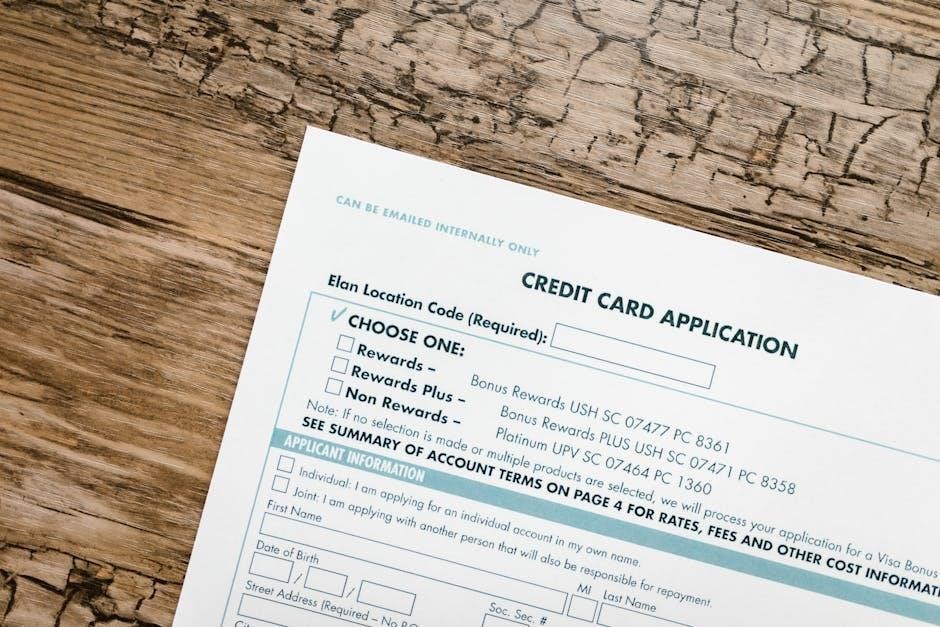
Name, DOB, and Address Verification
Plaid’s manual verification process heavily relies on confirming key personal details – name, date of birth (DOB), and address – to establish user identity and prevent fraudulent account linking. This step is fundamental in ensuring the individual initiating the connection is who they claim to be.
During manual linking, users are required to accurately provide this information. Plaid then cross-references this data against various trusted sources and databases to validate its authenticity. Discrepancies can trigger further verification steps or even rejection of the linking request.
The accuracy of this information is paramount. Even minor errors can lead to verification failures. This verification method, combined with others like phone number and ID verification, creates a robust security framework. It’s a core component of Plaid’s commitment to secure and reliable financial data access.

ID Number Verification
Plaid’s Identity Verification offers flexible options regarding ID number verification during manual bank account linking. Recognizing varying privacy preferences and regulatory requirements, Plaid allows for three distinct approaches: full ID number verification, verification of only the last four digits, or complete skipping of ID number verification.
The choice depends on the specific risk profile and compliance needs of the application integrating Plaid. Opting for full ID number verification provides the highest level of assurance, while verifying only the last four digits offers a balance between security and user privacy. Skipping ID number verification is suitable for lower-risk scenarios.

This customizable approach demonstrates Plaid’s commitment to providing tailored solutions. It allows businesses to fine-tune the verification process to align with their specific requirements and user expectations, ensuring a smooth and secure experience during manual account linking.
SSN Verification Options (Full, Last 4, Skip)
Plaid Identity Verification provides granular control over Social Security Number (SSN) verification during manual bank account linking, offering three distinct options to balance security and user privacy. Businesses can choose to verify the full SSN, only the last four digits, or completely skip SSN verification altogether.
This flexibility is crucial, as SSN requirements vary significantly based on industry regulations and risk assessments. Full SSN verification offers the highest level of identity assurance, while verifying the last four digits provides a reasonable compromise. Skipping SSN verification is appropriate for lower-risk applications where it’s not legally required.
You can determine which documents you want to accept for each country and decide whether to verify the full nine digits of the SSN, the last four, or skip it entirely. This customization ensures compliance and a user-friendly experience during the manual linking process.
Troubleshooting Manual Linking Issues
Plaid manual bank account linking, while secure, can sometimes encounter issues. Common errors include incorrect routing or account numbers, discrepancies in personal information, and temporary bank-side glitches. If a link fails, double-check all entered details for accuracy – even a single digit error can cause rejection.
Users sometimes change their online banking passwords, which doesn’t automatically revoke Plaid’s access, as it relies on tokens, not credentials. However, frequent password changes can occasionally disrupt the connection. If problems persist, contacting your bank to confirm Plaid isn’t blocked on their end is advisable.
Remember that some banks may have additional security measures that interfere with the linking process. Clearing browser cache and cookies, or trying a different browser, can sometimes resolve these issues. If all else fails, reaching out to Plaid’s support team is recommended for further assistance.
Common Errors and Solutions

When manually linking a bank account with Plaid, several common errors can arise. “Invalid Credentials” often indicates a mistyped routing or account number; carefully re-enter these details. “Account Not Found” suggests the information doesn’t match the bank’s records – verify with your bank directly.

“Verification Failed” can stem from discrepancies in personal information (name, address, DOB) compared to what the bank has on file. Ensure consistency. Banks sometimes block third-party access; contacting your bank to authorize Plaid may resolve this.
If you repeatedly change your online banking password, it doesn’t automatically disconnect Plaid, but can sometimes cause issues. Clearing your browser’s cache and cookies, or trying a different browser, can also help. For persistent problems, Plaid’s support team offers dedicated assistance to diagnose and resolve linking failures.
What Happens After Successful Linking?
Once your bank account is successfully linked to Plaid through manual verification, the platform instantly verifies your account by checking your current balance and recent transaction history. This real-time confirmation establishes a secure connection between your bank and the application utilizing Plaid, like a trading platform or investment profile.
This secure link allows for streamlined transactions, such as deposits and withdrawals, without repeatedly entering your banking credentials. Plaid doesn’t store your actual login information; instead, it uses a token-based system.
Your financial data is then securely transmitted to the connected application, enabling features like automated balance updates and transaction categorization. Importantly, Plaid’s access remains valid even if you change your bank’s username or password, relying on the token for continued authorization.
Account Verification and Balance Checks
Following a successful manual link with Plaid, a crucial step is account verification. Plaid instantly confirms account ownership and validity by performing balance checks and scrutinizing recent transaction data. This process isn’t merely a formality; it’s a core security measure ensuring the account genuinely belongs to the user and is active.
These checks help prevent fraudulent activity and maintain the integrity of the financial ecosystem. The balance check confirms sufficient funds are available for intended transactions, while transaction history analysis identifies any suspicious patterns.
This verification process is typically seamless and happens in the background, providing a quick and reliable confirmation to the application utilizing Plaid. It’s a key component of Plaid’s commitment to secure and trustworthy data exchange between financial institutions and third-party applications.
Plaid’s Data Security Measures
Plaid prioritizes data security through robust encryption protocols, safeguarding sensitive financial information during transmission and storage. They adhere to stringent financial regulations, including those related to data privacy and consumer protection, ensuring compliance and building trust.
Even with manual account linking – where users directly input bank details rather than using automated credentials – Plaid employs tokenization. This replaces sensitive account numbers with a non-sensitive equivalent, minimizing risk. Access controls limit data exposure to authorized personnel only, and regular security audits identify and address potential vulnerabilities.

Plaid doesn’t store your actual bank login credentials; instead, they utilize the information to establish a secure connection. This approach, combined with continuous monitoring and proactive threat detection, reinforces Plaid’s dedication to maintaining a secure platform for financial data exchange.
Can Plaid Access Your Account After Password Changes?
Plaid’s access to your bank account isn’t reliant on your username or password, but rather on a unique token generated during the linking process. This token functions as a secure key, allowing Plaid to verify transactions and account information without needing your login credentials directly.
Therefore, changing your bank’s username or password generally doesn’t immediately disrupt the Plaid connection. The token remains valid until revoked or refreshed. However, banks sometimes invalidate tokens after significant security changes, like a password reset, prompting a re-linking process.
If Plaid detects an issue accessing your account post-password change, you’ll likely be prompted to re-authenticate. This ensures continued secure access and verifies that Plaid still has permission to retrieve your financial data. Manual linking, while initially requiring direct input, still relies on this token-based system for ongoing access.
Plaid and Potential Legal Concerns
Plaid’s practice of utilizing bank logos on its interface to mimic legitimate bank login pages has raised concerns regarding potential legal ramifications. Some argue this design choice could mislead users into believing they are directly logging into their bank, rather than sharing credentials with a third-party service.
This practice has sparked debate about potential violations of trademark law and deceptive trade practices. While Plaid maintains its interface aims for user familiarity, critics suggest it blurs the lines between Plaid and the financial institutions themselves.
Despite these concerns, widespread lawsuits haven’t materialized as of late 2025. However, the potential for legal challenges remains, particularly as data privacy and security become increasingly scrutinized. Manual linking, by allowing users to avoid sharing login details, mitigates some of these concerns, but doesn’t eliminate the broader legal questions surrounding Plaid’s branding and user interface.

Future Trends in Plaid Linking Methods
Looking ahead, Plaid is likely to refine its linking processes, balancing security, user experience, and evolving regulatory landscapes. While automatic linking will likely remain dominant, enhancements to manual verification are anticipated. These could include more streamlined data input, improved error handling, and potentially, integrations with digital identity verification services.
A key trend will be a greater emphasis on user control and transparency. Expect clearer disclosures about data usage and enhanced options for managing linked accounts. The continued rise of open banking initiatives will also influence Plaid’s development, potentially leading to more standardized and secure linking protocols.
Furthermore, advancements in biometric authentication and fraud detection could be integrated into both automatic and manual linking flows, bolstering security. Manual linking may evolve to offer more granular control over data sharing, catering to privacy-conscious users.