

PIP assessments evaluate daily living activities, including food preparation, to determine support needs. This section introduces the relevance of cooking and meal planning in PIP claims.
1.1 Understanding PIP and Its Relevance to Daily Living Activities
PIP (Personal Independence Payment) assesses an individual’s ability to perform daily living tasks, including food preparation, to determine eligibility for support. This benefit is designed for those with disabilities or long-term health conditions, focusing on how these challenges impact daily life. Food preparation is a key activity, as it reflects independence in self-care and managing nutrition. The ability to plan, shop, and cook meals safely is evaluated, with points awarded based on the level of assistance required. Providing detailed examples of how conditions affect these tasks is crucial for accurate assessments and fair point allocation.
1;2 The Importance of Food Preparation in PIP Assessments
Food preparation is a critical aspect of PIP assessments, as it reflects an individual’s ability to manage essential daily living tasks. This includes planning meals, handling ingredients, and cooking safely; Difficulties in these areas can significantly impact independence and quality of life. Assessors evaluate whether a claimant can perform these tasks without assistance or if they require support. The ability to prepare food is not just about cooking; it demonstrates overall capacity for self-care and maintaining nutrition. Challenges in this area can indicate broader difficulties, making it a key focus in PIP decisions.
PIP Assessment Criteria for Food Preparation
The PIP assessment evaluates ability to prepare food safely, plan meals, and handle ingredients. Assessors consider consistency, safety, and need for assistance in daily cooking tasks.
2.1 Overview of the PIP Scoring System
The PIP scoring system evaluates an individual’s ability to perform daily living tasks, including food preparation. Points are allocated based on the level of support required, ranging from 0 to 12. Claimants can score points if they need assistance with tasks like planning meals, chopping ingredients, or cooking safely. Each activity is assessed on a scale, with higher points awarded for greater difficulty or dependency. The system considers consistency, safety, and the frequency of support needed, ensuring a fair evaluation of daily living challenges. This scoring helps determine eligibility for PIP payments.
2.2 Activities Considered Under Food Preparation
Under PIP, food preparation activities are assessed based on an individual’s ability to plan, shop, and cook meals. This includes tasks like meal planning, grocery shopping, chopping ingredients, cooking safely, and cleaning up afterward. Assessors also consider the ability to heat pre-prepared meals and use kitchen appliances. The focus is on whether the individual can perform these tasks independently, with assistance, or not at all. Consistency and safety are key factors in determining the level of support needed, ensuring a thorough evaluation of daily food preparation capabilities.
2.3 Key Points Assessors Look for in Food Preparation Claims
Assessors evaluate consistency, safety, and the ability to prepare meals independently or with assistance. They consider whether tasks like cooking, chopping, and heating can be performed safely and regularly. Evidence of physical or cognitive barriers to food preparation is crucial. The need for supervision or help from others is also assessed. Assessors look for detailed examples of how daily food preparation is managed, including any adaptations or aids used. The impact of health conditions on meal planning and cooking abilities is a focal point in determining eligibility and support levels for PIP claims.
Detailed Breakdown of Food Preparation Activities
This section provides a detailed breakdown of food preparation activities, including meal planning, shopping, cooking, and preparing ingredients. It explores the challenges individuals face in these tasks and how they impact daily living assessments under PIP.
3.1 Planning and Shopping for Meals
Planning and shopping for meals are critical components of food preparation. This involves creating a meal schedule, listing ingredients, and purchasing them. Many claimants face challenges such as memory issues or mobility problems, making these tasks difficult. For example, someone with cognitive impairments might struggle to organize meals, while those with physical disabilities may find shopping exhausting. Assessors look for evidence of how these challenges impact daily life. Providing examples, such as relying on pre-prepared lists or needing assistance, can support your claim. Demonstrating how these difficulties affect your ability to manage daily meals is essential for a successful PIP application.
3.2 Cooking and Heating Food Safely
Cooking and heating food safely is a key aspect of food preparation. This includes tasks like boiling water, using appliances, and ensuring food is cooked thoroughly. Claimants with physical impairments may struggle with lifting pans or operating cookers, while those with cognitive difficulties might forget food is cooking. Assessors evaluate how consistently and safely you can perform these tasks. For example, needing supervision or relying on pre-prepared meals can indicate significant challenges. Providing specific examples, such as burn risks or frequent undercooked food, strengthens your case and demonstrates the impact on your daily living abilities.

3.3 Chopping, Peeling, and Preparing Ingredients
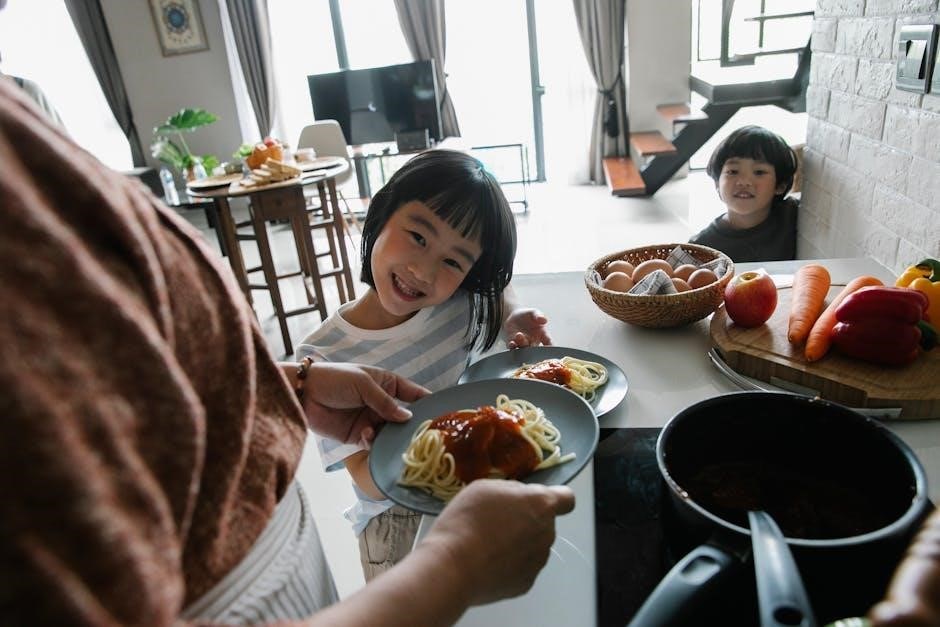
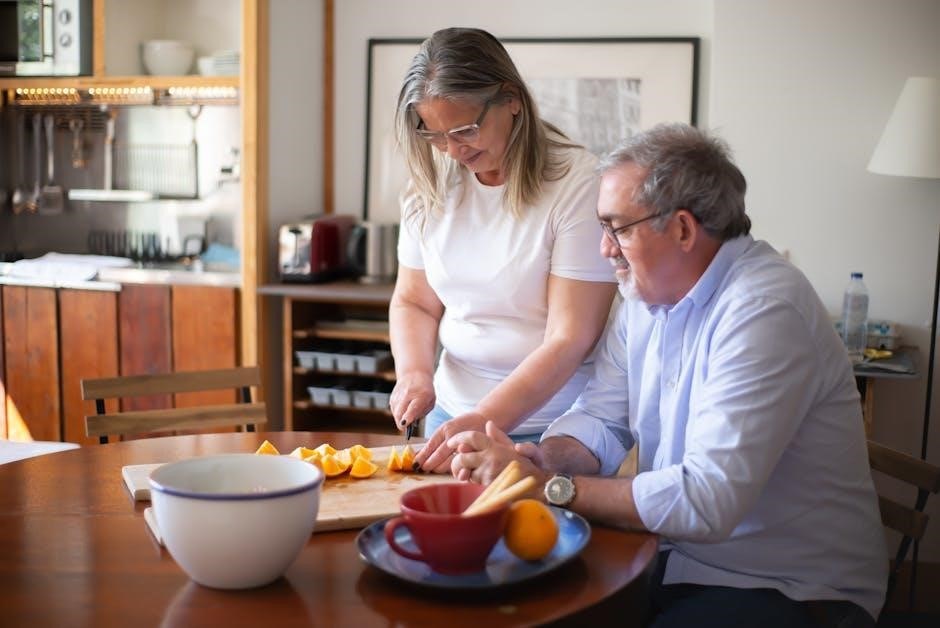
Chopping, peeling, and preparing ingredients are essential steps in food preparation. These tasks require dexterity, strength, and coordination. Conditions like arthritis, tremors, or limited hand function can make these activities challenging. Assessors consider whether you can perform these tasks safely and consistently. For example, difficulty gripping a knife or peeler may indicate significant impairment. Using pre-chopped ingredients or relying on assistive devices can highlight your needs. Clearly describing your struggles, such as taking excessive time or needing assistance, provides evidence of your limitations and supports your PIP claim for food preparation difficulties.
Scoring Points for Food Preparation Tasks
PIP scoring for food preparation tasks ranges from 0 to 4 points, reflecting ability levels. Higher points awarded for significant difficulty or requiring assistance. Consistency and safety are key.
4.1 Points Allocation for Each Activity
PIP points for food preparation are allocated based on the claimant’s ability to perform specific tasks. Planning meals scores 0-1 point, with 1 point for needing assistance. Cooking and heating food ranges from 0-2 points, depending on safety and independence. Chopping and preparing ingredients also scores 0-1 point, reflecting difficulty or assistance needed. Assessors evaluate consistency, safety, and the level of support required. Higher points are awarded for significant challenges or reliance on others. Understanding these allocations is crucial for accurately scoring food preparation tasks in a PIP assessment.
4.2 How to Maximize Your Score for Food Preparation
To maximize your PIP score for food preparation, provide detailed examples of challenges faced. Explain how difficulties impact daily life, such as needing assistance or taking significantly longer. Highlight specific tasks, like cooking safely or preparing ingredients, where limitations exist. Consistently demonstrate the need for help or supervision. Use evidence like care plans or witness statements to support claims. Clearly link challenges to scoring criteria, ensuring assessors understand the impact on independence. Be precise and avoid vague statements to strengthen your case and achieve a higher score.
Example Answers for PIP Food Preparation Questions
Example answers include describing specific challenges, like difficulty chopping vegetables due to hand pain or needing assistance to safely cook meals. Be specific and detailed.
5.1 Example Responses to Common Questions
When asked about food preparation, explain specific challenges. For example, “I struggle to chop vegetables due to hand pain and require assistance for safety.” Highlight time taken or aids used, such as “I need 30 minutes to prepare a simple meal and use pre-chopped ingredients.” Mention any supervision or help needed, like “I require someone to oversee cooking to avoid accidents.” Be specific about how your condition impacts tasks, ensuring your answers align with PIP criteria. This clarity helps assessors understand your needs accurately.
5.2 How to Structure Your Answers Effectively
To structure your answers effectively, start by clearly stating the main issue. For example, “I have difficulty preparing food due to limited mobility.” Provide specific examples, like “I can only prepare simple meals that require minimal chopping.” Mention any aids or assistance needed, such as “I rely on pre-chopped vegetables or a helper.” Explain how your condition impacts daily life, such as “It takes me twice as long to cook a meal.” Be honest and concise, ensuring your responses align with PIP criteria. This approach helps assessors understand your needs clearly and accurately.

Evidence and Documentation for Food Preparation Claims
Provide medical letters, caregiver statements, and photos or videos of meal prep challenges. Keep a journal documenting daily struggles with food preparation tasks to support your claim effectively.
6.1 Types of Evidence to Support Your Claim
Submit medical letters, therapy records, and caregiver statements detailing your difficulties with food preparation. Include a journal documenting daily struggles, such as pain, fatigue, or safety risks while cooking. Provide photos or videos showing meal prep challenges or adaptive tools used. Witness statements from family or friends can corroborate your limitations. Evidence from occupational therapists or healthcare providers strengthens your case. Clearly link each piece of evidence to specific PIP criteria to demonstrate eligibility effectively.
6.2 How to Present Your Evidence Clearly
To present evidence effectively, organize it logically, ensuring each document supports a specific claim. Use clear headings and bullet points for readability. Include dates, descriptions, and relevance to your condition. Highlight key points that align with PIP criteria. Avoid clutter by removing irrelevant information. Submit originals or certified copies, and review everything for accuracy. Ensure your evidence directly links to your food preparation challenges, making it easy for assessors to understand your needs. Clarity and relevance are crucial to building a strong, credible case.
Strategies for Completing the PIP Form
When completing the PIP form, focus on clarity and detail. Use specific examples to illustrate how your condition affects daily activities like food preparation. Avoid vague statements and emphasize the frequency and severity of your challenges. Organize your evidence, such as medical letters or caregiver testimonials, to support your claims. Review each section carefully to ensure accuracy and relevance. Seeking advice from a professional or using example answers can guide you in presenting your case effectively.
7.1 Tips for Filling Out the Food Preparation Section
When completing the food preparation section, provide detailed examples of how your condition impacts your ability to cook, shop, or prepare meals. Be specific about challenges, such as difficulty chopping vegetables or safely using appliances. Mention any assistance you require, like help from others or reliance on pre-prepared foods. Highlight how often these challenges occur and their impact on your daily life. Use the example answers from the PDF to guide your responses, ensuring clarity and relevance. This will help assessors understand your needs accurately and make informed decisions about your eligibility for support.
7.2 Common Mistakes to Avoid

When filling out the food preparation section, avoid being vague about your difficulties. Clearly explain how your condition impacts your ability to plan, shop, or cook meals. Do not overlook the frequency of challenges or the need for assistance. Avoid exaggerating or underestimating your capabilities, as this can lead to discrepancies in your claim. Ensure you provide specific examples from your daily life, referencing the example answers in the PDF for guidance. Failing to mention how often you struggle or the help you require can weaken your case. Be precise and honest to ensure your needs are accurately assessed.

Case Studies and Successful Claims
Explore real-life examples of successful PIP claims involving food preparation challenges. These case studies highlight how claimants provided detailed evidence, showcasing their struggles and needs effectively. Learn from their experiences to strengthen your own claim, ensuring you follow the example answers outlined in the PDF for accurate representation of your situation.
8.1 Real-Life Examples of Successful PIP Claims
Real-life examples of successful PIP claims highlight how individuals effectively demonstrated their challenges with food preparation. For instance, Sarah, who lives with arthritis, provided detailed accounts of her difficulty chopping vegetables and standing for long periods while cooking. She included evidence from her GP and an occupational therapist, showcasing her need for assistance. Similarly, John, who has mobility issues, shared how he relies on pre-prepared meals due to his inability to cook safely. Both cases emphasize the importance of providing clear, consistent evidence to support claims, aligning with the example answers in the PDF guide.
8.2 Lessons Learned from Successful Applications
Successful PIP applications for food preparation highlight the importance of providing detailed, consistent evidence. Claimants who clearly describe their difficulties, such as struggles with chopping or cooking safely, often receive higher scores. It’s crucial to demonstrate how impairments impact daily living, rather than just listing symptoms. Including evidence like GP letters, care plans, and witness statements strengthens claims. Consistency across all sections of the form is key, as discrepancies can lead to reduced points. Emphasizing how assistance or adaptations are needed helps assessors understand the severity of limitations.
Accurate evidence and detailed answers are vital for a successful PIP food preparation claim. Consistency and clarity ensure assessors understand your needs. Always include examples.
9.1 Summarizing Key Points for Success
To succeed in your PIP claim for food preparation, emphasize your ability to prepare meals safely and consistently. Highlight any challenges, such as difficulty chopping, cooking, or planning meals due to your condition. Provide specific examples of how you manage these tasks, including any aids or assistance you require. Be clear about how often you can perform these tasks and whether they take significantly longer than usual. Consistency in your answers and evidence will strengthen your claim, ensuring assessors understand your needs accurately. Always relate your examples to your daily living experiences.
9.2 Encouragement and Next Steps
Remember, preparing your PIP claim takes time and effort, but it’s worth it to ensure you receive the support you need. Stay positive and focus on clearly presenting your experiences. After completing your form, review it carefully to ensure all details are accurate and consistent. Gather any additional evidence, such as letters from carers or healthcare providers, to strengthen your claim. Finally, submit your application confidently and follow up if needed. You’ve taken a significant step toward securing the help you deserve—stay proactive and persistent throughout the process.