

Overview of the Quebec Plumbing Code PDF
The Quebec Plumbing Code PDF outlines regulations for water systems‚ drainage‚ and venting. It details installation standards‚ materials‚ and safety requirements. The document is structured into chapters‚ each covering specific aspects of plumbing practice in Quebec. It also guides installers on best practices
Historical Development of the Quebec Plumbing Code
The Quebec Plumbing Code has evolved through several legislative milestones. Its origins trace back to the late 19th century when municipal bylaws first addressed basic water supply and drainage; In 1908‚ the province adopted its first formal plumbing regulation‚ establishing minimum standards for pipe materials and installation methods. The 1930s saw the introduction of fire‑safety provisions‚ reflecting growing concerns about urban fire hazards. A significant overhaul occurred in 1972‚ when the code was reorganized into distinct chapters‚ each addressing specific system types such as potable water‚ sanitary drainage‚ and venting. This edition also incorporated emerging technologies‚ including early water‑saving fixtures.
Throughout the 1980s and 1990s‚ the code was periodically amended to align with national standards and to integrate advances in building science. The 2003 revision introduced stricter energy‑efficiency requirements and updated testing protocols for water‑conserving devices. The most recent major update‚ released in 2018‚ incorporated the latest research on sustainable plumbing practices‚ expanded requirements for green infrastructure‚ and harmonized the code with the Canadian Standards Association’s (CSA) plumbing standards. In 2021‚ a minor amendment addressed the installation of solar‑powered water heaters and clarified compliance procedures for licensed professionals.
In 2013‚ a supplemental directive added guidelines for rainwater harvesting systems‚ while a 2015 amendment focused on the use of low‑flow fixtures in new construction. The 2017 revision introduced a mandatory training requirement for inspectors‚ ensuring they remain current with evolving technologies. Each update reflects a commitment to public health‚ safety‚ and environmental stewardship.
Today‚ the Quebec Plumbing Code PDF serves as the definitive reference for licensed plumbers‚ inspectors‚ and architects‚ ensuring that all plumbing installations meet rigorous safety‚ health‚ and environmental criteria. The code also provides detailed guidance on material selection‚ installation tolerances‚ and testing procedures‚ making it an indispensable tool for professionals across the province. Moreover‚ the code’s annexes include best practices‚ allowing Quebec professionals to benchmark against standards.
Structure and Format of the PDF
The Quebec Plumbing Code PDF is organized into a clear‚ hierarchical layout that facilitates quick reference and compliance verification. The document is divided into twelve main chapters‚ each dedicated to a distinct aspect of plumbing practice—ranging from general provisions and installation requirements to specialized sections on water‑conserving fixtures and drainage systems. Within each chapter‚ sections are numbered sequentially‚ allowing readers to locate specific clauses with ease. It ensures safety compliance.
Each section begins with a concise summary that outlines the intent and scope of the regulation‚ followed by detailed requirements and illustrative diagrams. The PDF incorporates a consistent typographic scheme: headings are rendered in bold‚ while critical terms are highlighted in italics. Reference tables and cross‑references are embedded throughout‚ providing visual aids that clarify installation tolerances and material specifications. The document also includes annexes containing supplementary guidance and updated code amendments.
From a technical standpoint‚ the PDF is optimized for print and digital use. It supports searchable text and includes a built‑in table of contents with clickable links. The file size is managed through compressed images and vector graphics‚ ensuring fast download times while maintaining high resolution for detailed schematics. Compatibility with major PDF readers—such as Adobe Acrobat Reader‚ Foxit Reader‚ and the native Preview app on macOS—is guaranteed‚ and is accessible to users with visual impairments.
Accessing the PDF Document
Download the PDF from the Quebec government portal or the Ministry of Municipal Affairs. The file is free‚ searchable‚ and available in standard and high‑resolution formats. Users can view it online or save it for offline reference‚ ensuring compliance with the latest code updates.

Official Sources for Download
Authorized downloads are hosted on the provincial government’s website under the Department of Municipal Affairs and Housing‚ offering both standard and high‑res formats for clear review. Users can access the file directly via a secure link without registration‚ making it convenient for professionals‚ contractors‚ and students alike. The download page summarizes the document’s scope‚ covering water supply‚ drainage‚ venting‚ and sanitary fixtures‚ and provides a searchable index for quick clause navigation. Offline access is possible; the PDF can be saved locally and opened with any standard reader‚ while a compressed ZIP archive includes annexes and glossaries. Regular updates appear on the same page‚ with version control and revision dates clearly indicated‚ and stakeholders are encouraged to bookmark the link for future reference. Technical support is available via email and a dedicated hotline‚ ensuring prompt resolution of any download or file integrity issues‚ and the code’s digital format allows annotation‚ highlighting‚ and bookmarking for detailed study.
For guidance‚ consult the official code today!!

Compatibility with PDF Readers
Key Chapters and Their Focus
The Quebec Plumbing Code PDF is divided into distinct chapters that address core aspects of plumbing practice. Chapter 1 covers general provisions‚ scope‚ and definitions. Chapter 2 details installation requirements‚ materials‚ and safety standards. Subsequent chapters focus on systems‚ testing‚ compliance procedures.!
Chapter 1: General Provisions
Chapter 1 of the Quebec Plumbing Code PDF establishes the foundational framework that governs all plumbing activities within the province. The chapter outlines the responsibilities of licensed plumbers‚ contractors‚ and building inspectors‚ emphasizing the importance of compliance with the code to protect public health and safety. Key elements include the requirement for proper documentation‚ the use of approved materials‚ and adherence to specified installation methods. The chapter also sets forth the definitions of critical terms such as “supply line‚” “drainage system‚” “vent stack‚” and “backflow prevention device‚” ensuring that all stakeholders share a common understanding of terminology. Additionally‚ it specifies the governing authority—primarily the Ministry of Municipal Affairs and Housing—and the process for code amendments‚ which are typically published annually or as needed to reflect technological advances and evolving best practices. The chapter further details the licensing criteria for plumbers‚ including the necessity of completing accredited training programs‚ passing competency examinations‚ and maintaining ongoing professional development credits. It explains the role of the provincial licensing board in issuing permits‚ conducting inspections‚ and enforcing compliance. Finally‚ Chapter 1 addresses the interaction between the plumbing code and other regulatory frameworks‚ such as building codes‚ health regulations‚ and environmental statutes‚ highlighting the need for integrated compliance across multiple disciplines. This comprehensive overview ensures that all parties involved in plumbing work are aligned with the province’s safety standards and legal obligations‚ thereby fostering a consistent and reliable plumbing infrastructure throughout Quebec. The code also mandates regular inspections and maintenance schedules to ensure long-term system integrity‚ thereby safeguarding occupants and the environment. Compliance verified inspectors annually. The code also requires periodic testing of all water lines to detect leaks early and maintain system integrity and compliance now
Chapter 2: Installation Requirements
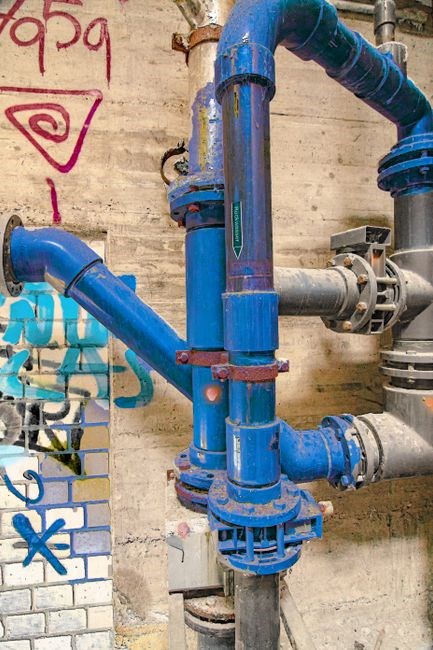
Chapter 2 of the Quebec Plumbing Code PDF focuses on the technical specifications and procedural guidelines that govern the installation of water supply‚ drainage‚ venting‚ and back‑flow prevention systems. It begins by defining the acceptable materials for potable water lines—such as copper‚ PEX‚ and stainless steel—along with the required pipe diameters and pressure ratings for each application. The chapter mandates that all fittings‚ valves‚ and fixtures be installed in accordance with the manufacturer’s instructions and that they meet the minimum standards set by the Canadian Standards Association (CSA) and the American Society of Mechanical Engineers (ASME). It also specifies the minimum slope for horizontal drain lines‚ the maximum allowable run length‚ and the need for proper support and anchoring to prevent sagging or stress fractures. Ventilation requirements are detailed‚ including the required vent pipe size‚ the use of admittance valves in certain configurations‚ and the prohibition of venting through non‑fire‑resistant walls. The code requires that all back‑flow prevention devices be installed at the point of entry to the public water system and that they be tested annually by a licensed professional. The chapter also covers renewable energy integration‚ like solar‑thermal collectors‚ and necessary plumbing adjustments!!. The chapter also covers in inspection‚ ensuring each installation is verified by a certified inspector and providing a checklist of the documentation—certificates‚ pressure test reports‚ test results to accompany the final approval.

Legal and Regulatory Context
The Quebec Plumbing Code PDF is enforced by the Ministry of Municipal Affairs and Housing. Licensed plumbers must hold a valid certificate and comply with the Code’s provisions. Violations trigger inspections‚ fines‚ and potential revocation of licensing‚ ensuringpublic safety
Licensing Requirements
To practice plumbing in Quebec‚ a professional must obtain a license from the Ministry of Municipal Affairs and Housing. The process begins with completing an accredited apprenticeship program lasting 4‚000 hours‚ followed by a written and practical examination administered by the provincial licensing board. Successful candidates receive a certificate of competence‚ which must be renewed every five years. Renewal requires proof of continuing education—at least 20 hours of approved courses covering updates to the Quebec Plumbing Code PDF‚ health‑and‑safety regulations‚ and emerging technologies. Licensed plumbers are also required to maintain liability insurance and adhere to strict ethical standards. Non‑compliance can result in suspension‚ fines‚ or revocation of the license‚ and any work performed without a valid license is considered void and may expose the contractor to civil liability. The licensing framework ensures that all installations meet the rigorous standards set forth in the Code‚ protecting public health‚ safety‚ and the integrity of Quebec’s water infrastructure.
All plumbing installations must undergo periodic inspections by certified inspectors. Inspectors verify compliance with the latest edition of the Code‚ ensuring pipe sizing‚ venting‚ and sanitary connections meet safety thresholds. Non‑compliance can lead to corrective orders‚ suspension of work permits‚ or civil litigation. Licensing system encourages development through workshops‚ seminars‚ modules that keep practitioners abreast of evolving industry standards and technological innovations!!!
Enforcement and Penalties
In Quebec‚ the enforcement of the Plumbing Code is carried out by municipal inspectors and the provincial Ministry of Municipal Affairs and Housing. Inspectors conduct routine site visits‚ verify compliance with the current edition of the Code‚ and issue compliance certificates. If a violation is detected‚ the inspector issues a written notice specifying the required corrective action and a deadline‚ usually 30 days. Failure to comply results in a stop‑work order‚ which suspends all plumbing work until the issue is resolved. Repeated or severe violations can trigger administrative sanctions‚ including fines up to $10‚000‚ suspension of the contractor’s license‚ or even criminal prosecution under the Quebec Criminal Code for endangering public health. Penalties vary by severity: minor infractions may incur a $500 fine‚ while major breaches that compromise water safety can lead to multi‑thousand dollar fines and mandatory remediation. Contractors must maintain detailed records of inspections‚ corrective actions‚ and certifications; these records are subject to audit during licensing renewals. The enforcement framework also encourages education: inspectors may provide guidance on how to bring a project into compliance‚ and the Ministry offers workshops to help contractors understand new Code provisions. Ultimately‚ the goal is to ensure that all plumbing installations meet safety standards‚ protect residents‚ and uphold the integrity of Quebec’s water infrastructure. Inspection reports must be filed within 48 hours of completion. All records are kept for five years!
Practical Applications for Licensed Plumbers
Licensed plumbers use the Quebec Code PDF to design compliant systems‚ select approved materials‚ and verify installation standards. The document guides pipe sizing‚ venting‚ and fixture placement‚ ensuring safety and meeting regulatory requirements.
Design and Planning
When a licensed plumber approaches a new project‚ the Quebec Plumbing Code PDF serves as the primary reference for all design and planning decisions. The code specifies minimum pipe diameters‚ allowable materials‚ and required pressure ratings for potable water‚ hot water‚ and sanitary drainage systems. It also mandates the use of approved fittings and valves‚ ensuring that every component meets the provincial safety standards. In addition‚ the code provides detailed guidelines for venting‚ backflow prevention‚ and the installation of stormwater systems‚ which are critical for maintaining system integrity and preventing contamination. Plumbers must consult the code’s tables and diagrams to calculate correct pipe sizing‚ slope‚ and capacity‚ taking into account factors such as building height‚ fixture load‚ and local climate conditions. The PDF includes a section on energy efficiency‚ encouraging the use of low‑flow fixtures and heat‑recovering devices. By following these provisions‚ installers can design systems that not only comply with legal requirements but also reduce water consumption and operating costs. The code also outlines the required documentation for each project‚ including schematic drawings‚ material lists‚ and inspection reports. This documentation must be retained for a minimum of five years‚ allowing future inspections or renovations to verify compliance. Finally‚ the code encourages collaboration with architects and engineers‚ providing a common framework that facilitates accurate coordination of plumbing layouts with structural and mechanical plans. Adhering to these guidelines ensures that the finished system is safe‚ reliable‚ and efficient‚ meeting both regulatory demands and client expectations. This follows practice now.

Inspection and Compliance
According to the Quebec Plumbing Code PDF‚ every installation must undergo a formal inspection before occupancy. Inspectors verify that all pipe diameters match the code’s sizing tables‚ that all fittings are approved‚ and that pressure ratings meet the specified limits. They also check that vent stacks are correctly sized and that back‑flow prevention devices are installed where required. The code mandates that all hot‑water systems have a temperature‑control valve and that sanitary drainage meets the minimum slope to prevent blockages. Inspectors use the code’s detailed drawings and material lists to confirm that every component complies with the approved standards. Documentation must be filed with the local municipality‚ including a signed inspection report‚ material certificates‚ and a copy of the final schematic. Failure to comply can result in fines‚ mandatory re‑work‚ or even suspension of the contractor’s license. The PDF also outlines the process for re‑inspection after any significant modification‚ ensuring that the system remains safe and up to date. Proper record keeping for at least five years is required‚ allowing future inspections to verify compliance. This systematic approach protects public health and ensures long‑term reliability of the plumbing network. These requirements are enforced through periodic inspections and mandatory documentation‚ ensuring that every installation remains compliant with evolving safety standards and environmental regulations. By adhering to these provisions‚ safeguard health‚ reduce water waste‚ and contribute to the province’s development goals.