

The Dyna‑Glo RA125DGD manual guides users through assembly, safety, and operation of this 125,000 BTU/h propane construction heater. It details proper handling, ventilation requirements, and compliance with ANS Z83.7 CSA 2.14 standards for safe use on job sites. Follow local rules. and keep safe!!!
Safety Precautions Before First Use
Wear protective gloves and safety glasses during assembly. Use the supplied torque wrench to tighten all fittings to the manufacturer’s specifications. Inspect the heat exchanger for cracks or damage before first use. Do not use the heater until repaired. Shut off the gas supply and contact a qualified technician if any malfunction occurs. Follow all local codes!!!
Overview of the Dyna-Glo Delux Model RA125DGD
The Dyna‑Glo Delux RA125DGD is a high‑output propane construction heater designed for temporary heating of large, well‑ventilated spaces such as warehouses, construction sites, and industrial facilities. With an output of 125,000 BTU per hour, it delivers rapid, uniform heat through a forced‑air system that circulates warm air across the work area. The unit features a robust, cast‑iron heat exchanger that can withstand continuous operation at elevated temperatures while maintaining efficient combustion. Its integrated safety shut‑off valve and pressure‑regulated burner ensure that the heater operates within safe limits, even under fluctuating load conditions. The RA125DGD is built to meet ANS Z83.7 and CSA 2.14 construction‑heater standards, guaranteeing compliance with industry safety requirements. The heater’s compact footprint, approximately 2.5 ft × 1.5 ft, allows it to be positioned in tight spaces without compromising airflow; A built‑in thermostat provides precise temperature control, while a digital display displays operating status, temperature, and fuel level. The unit is powered by a 12‑V DC battery or a 120‑V AC adapter, giving installers flexibility in remote or off‑grid locations. The RA125DGD’s modular design includes removable heat‑shield panels for easy maintenance and a detachable exhaust pipe that can be routed to a vent hood or chimney. Designed for rugged use on job sites daily. Overall, the Dyna‑Glo Delux RA125DGD offers a reliable, efficient, and compliant heating solution for demanding construction environments.
The Dyna‑Glo Delux RA125DGD is a high‑output propane construction heater designed for temporary heating of large, well‑ventilated spaces such as warehouses, construction sites, and industrial facilities. With an output of 125,000 BTU per hour, it delivers rapid, uniform heat through a forced‑air system that circulates warm air across the work area. The unit’s robust, cast‑iron heat exchanger can withstand continuous operation at elevated temperatures while maintaining efficient combustion. Its integrated safety shut‑off valve and pressure‑regulated burner ensure that the heater operates within safe limits, even under fluctuating load conditions. The RA125DGD’s 12‑inch exhaust port can be connected to a 12‑inch steel pipe, rated 400 psi, and the unit’s digital thermostat can be set to 150 °F for high‑heat tasks. The heater’s fire‑resistant housing is rated 500 °F for 2 hours. The unit is compliant with OSHA 1910.269 for construction equipment. Maintenance includes checking the flame sensor every 250 h and inspecting the pressure regulator for leaks. The RA125DGD offers a 10‑year parts warranty and 5‑year labor warranty for qualified service centers. It is for large temporary heating projects!.

Unpacking and Initial Inspection
Begin by removing the heater from its shipping crate, ensuring you have a clean, level surface. Inspect the outer packaging for dents or damage that might indicate mishandling. Open the crate carefully, using a utility knife if necessary, and place the heater on a padded mat to protect the heat exchanger. Verify that all included accessories—burner assembly, pressure regulator, flame sensor, mounting brackets, and the user manual—are present. Check each component for visible defects such as cracks, corrosion, or missing fasteners. The heat exchanger should be free of dents and the exhaust port must be intact. The pressure regulator should have its pressure gauge clearly legible and the safety shut‑off valve should move freely. Confirm that the flame sensor is clean and the sensor cable is intact. Verify that the mounting brackets are not bent and that the mounting hardware is complete. Finally, ensure the user manual is present and that the model number RA125DGD matches the unit’s serial label. This initial inspection confirms that the heater is ready for assembly and safe operation.
Verify the regulator gauge, the safety valve, and the flame sensor for proper operation. Check for debris or corrosion that could block flame detection. Ensure mounting brackets are straight and screws tightened to spec torque. Confirm the user manual’s troubleshooting section and warranty details are clear. All components should be inspected for damage before first use. Please!
Assembly Instructions for the Heater
Step 1: Position the heater on a stable, level surface. Attach the mounting brackets to the rear frame with the supplied screws, tightening them to the specified torque. Ensure the brackets are flush with the frame to prevent wobble. Step 2: Connect the propane supply line to the regulator inlet. Verify the line is rated for 125 psi and free of kinks. Tighten the regulator’s inlet nut by hand, then use a wrench to secure it, avoiding overtightening. Step 3: Install the flame sensor by sliding it into the designated slot on the heat exchanger. Ensure the sensor tip faces the flame source and that the cable is routed away from moving parts. Step 4: Attach the exhaust pipe to the heat exchanger outlet. Use the supplied clamps to secure the pipe, checking that the connection is airtight. Step 5: Connect the pressure gauge to the regulator’s gauge port and confirm it reads the manufacturer’s recommended operating pressure (typically 30–40 psi). Step 6: Insert the propane tank’s valve into the regulator’s inlet. Tighten the valve nut with a wrench, then check for leaks by applying a soapy water solution to the joint; bubbles indicate a leak, requiring further tightening. Step 7: Verify the safety shut‑off valve is in the open position. Once all steps are completed, the heater is ready for operation. Remember to follow all safety precautions and regulations during assembly.
Installation Guidelines for Construction Sites
Before installing the Dyna‑Glo RA125DGD on a construction site, ensure the area is well‑ventilated and free of combustible materials within 10 ft of the heater. Position the unit on a flat, stable surface, preferably on a concrete slab or a reinforced platform that can support its weight. Secure the heater to the surface using the provided mounting brackets and lock bolts, tightening them to the manufacturer’s torque specifications to prevent movement during operation. Attach the propane supply line to the regulator inlet, checking that the line is rated for the heater’s pressure and that all fittings are leak‑tight. Route the line away from moving equipment and keep it clear of any heat sources. Connect the exhaust pipe to the heat exchanger outlet, ensuring a snug fit with the supplied clamps; the exhaust should be directed away from personnel and building openings. Install the safety shut‑off valve in the open position and verify that the pressure gauge reads the recommended operating pressure (typically 30–40 psi). Perform a leak test by applying a soapy water solution to all connections; bubbles indicate a leak that must be corrected before use. Finally, check that the flame sensor is correctly seated and that the control panel displays the correct temperature setting. Once all checks are complete, the heater is ready for safe operation in a construction environment. Always follow local fire safety regulations and consult your site supervisor before energizing the unit. All procedures comply with ANS Z83.7 CSA 2.14.
Operating the Heater Safely and Efficiently
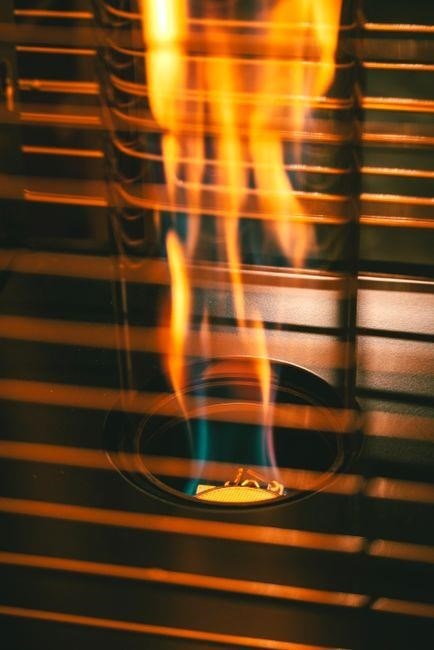
Before operating the Dyna‑Glo RA125DGD, verify the propane line is secure, the regulator is set to the correct pressure, and the flame sensor is clean. Set the thermostat to the desired temperature and ensure the safety shut‑off valve is open. Place the heater on a stable, non‑combustible surface and direct the exhaust vent away from personnel and building openings. Observe the flame color; a steady blue flame indicates proper combustion, while a yellow or flickering flame signals a problem. Maintain a minimum clearance of 10 ft from the heater to any combustible surface and keep the area clear of flammable materials. The built‑in automatic shut‑off engages if the flame extinguishes or the temperature exceeds the set limit. Periodically check the pressure gauge; if it drops below 30 psi, adjust the regulator. For extended use, inspect the heat exchanger for soot buildup and clean it with a soft brush. Never repair or modify the heater while running. Follow local fire safety regulations, and if used in a confined space, ensure adequate ventilation to prevent carbon monoxide buildup. Proper operation extends the unit’s life and protects personnel. The RA125DGD’s built‑in temperature sensor adjusts flame intensity to maintain consistent heat output, reducing fuel consumption. Inspect the propane tank for leaks regularly and replace it per manufacturer recommendations. Keep a gas‑rated fire extinguisher within 10 ft of the heater. Adhering to these procedures ensures reliable, efficient heating while minimizing risks associated with propane combustion on construction sites. Routine checks of the safety valve and flame sensor help avoid unexpected shutdowns. Confirm the propane tank’s pressure gauge stays within the specified range before each use. This practice enhances overall safety!!
Maintenance and Cleaning Procedures
Regular maintenance keeps the RA125DGD running safely and efficiently. Begin each service cycle by turning the heater off, disconnecting the propane supply, and allowing the unit to cool completely. Inspect the heat exchanger for soot or corrosion; a buildup of black residue can reduce heat transfer and increase fuel consumption. Use a soft‑bristled brush or a vacuum with a HEPA filter to remove deposits, taking care not to damage the metal surface. Next, clean the air intake grill with a damp cloth; ensure no debris blocks airflow, which could cause overheating. Check the flame sensor for oxidation; if the sensor appears dull or coated, gently polish it with a fine abrasive pad, then re‑install. Verify the pressure regulator is functioning by measuring the gauge reading; it should stay within the manufacturer’s specified range. Replace the regulator if readings drift or if the unit fails to maintain consistent flame. Inspect the propane tank connection for leaks by applying a soapy water solution to the fittings; bubbles indicate a leak that must be repaired before use. Examine the exhaust vent for obstructions; clear any blockages to maintain proper ventilation. Finally, test the safety shut‑off valve by manually closing and opening it; it should operate smoothly without resistance. Record all maintenance actions in a log, noting dates, parts replaced, and any observations. Adhering to this routine schedule extends the heater’s lifespan, and ensures compliance with safety standards. fast
Keep logs to track maintenance
Storage Recommendations for the Heater
When the RA125DGD is not in use, store it in a dry, well‑ventilated area away from direct sunlight, moisture, and extreme temperatures. The unit should be positioned upright on a stable surface, ensuring that the exhaust vent remains unobstructed. Cover the heater with a breathable, fire‑resistant cloth to protect it from dust while allowing airflow; Before long periods of inactivity, disconnect the propane supply and empty the tank, then close the regulator to prevent leaks. Inspect the unit for any signs of corrosion or damage; if corrosion is present, clean the affected areas with a mild detergent and a soft brush, then dry thoroughly. Avoid storing the heater in confined spaces where heat could accumulate, as this may compromise the integrity of the metal components. Keep the heater away from flammable materials and ensure that the storage area complies with local fire safety regulations. Periodically check the condition of the heat exchanger and the flame sensor; if either shows wear, replace the part before re‑using the heater. Maintain a maintenance log that records storage dates, inspections, and any repairs performed. By following these steps, you preserve the heater’s performance and extend its service life, ensuring readiness for future construction projects. Remember that proper storage not only protects the heater’s components but also reduces the risk of accidental ignition ensuring a safer work environment for all personnel on site today and safety.

Compliance with ANS Z83.7 CSA 2.14 Standards
The Dyna‑Glo RA125DGD heater is engineered to meet the stringent requirements of the ANS Z83.7 and CSA 2.14 construction‑heater standards, ensuring safe operation in temporary, well‑ventilated structures. The ANS Z83.7 specification mandates that the heater’s combustion chamber, heat exchanger, and exhaust system be constructed from corrosion‑resistant steel and designed to withstand the thermal stresses of continuous operation. The CSA 2.14 standard further requires that the heater’s flame sensor, pressure relief valve, and electrical controls be calibrated to prevent over‑pressure, back‑draft, and electrical arcing. The manufacturer’s design incorporates a dual‑stage flame sensor that automatically shuts down the burner if a flame fails to ignite, thereby eliminating the risk of unburned propane accumulation. The pressure relief valve is set to open at 1.5 psi above the operating pressure, providing a fail‑safe mechanism that protects the unit and surrounding environment. In addition, the heater’s wiring is UL‑listed and meets the CSA’s 125 V, 20 A rating, ensuring safe power from construction outlets. Compliance is verified through third‑party testing conducted by accredited laboratories, with certificates of conformity attached to each unit’s serial number. Users should retain the certification documentation for inspection by local fire safety authorities, as it demonstrates that the heater has passed all required performance and safety tests. By adhering to ANS Z83.7 and CSA 2.14, the RA125DGD delivers reliable, efficient heat while minimizing fire and explosion hazards, thereby safeguarding workers and protecting construction assets!
Local Fire Safety Authority Consultation
Before deploying a Dyna‑Glo RA125DGD heater on a construction site, it is essential to consult with the local fire safety authority (FSA). The FSA will review the site layout, ventilation plans, and the proposed heater placement to ensure compliance with regional fire codes. They may require a fire‑risk assessment, which evaluates potential ignition sources, combustible materials, and the adequacy of fire suppression systems. The FSA will also verify that the heater’s exhaust vent is correctly installed, with a minimum clearance of 12 inches from any combustible surface, and that the vent termination is located at least 10 feet above ground level. Additionally, the authority may mandate the use of a flame arrestor or a spark‑shield to prevent back‑draft ignition. Documentation such as the manufacturer’s compliance certificates (ANS Z83.7 and CSA 2.14) must be provided for record keeping. The FSA may issue a temporary use permit, which includes specific operating limits, such as maximum continuous run time and required safety interlocks. If the site is in a high‑risk area, the FSA might require a fire‑resistant enclosure around the heater. After installation, a final inspection is typically required; the FSA will confirm that all safety measures are in place before allowing the heater to operate. Maintaining open communication with the FSA throughout the project ensures that the heater is used safely and that any changes to the site conditions are promptly addressed. The FSA will also provide a compliance checklist that must be completed prior to ignition, ensuring that all safety protocols are observed and that the heater operates within legal and safety parameters.
Accessing PDF User Guides and Manuals Online
Download the Dyna‑Glo RA125DGD manual from the official support portal at www.dynaglo.com/support. Search “RA125DGD” or the full model name. The portal offers a PDF of the owner’s manual and operating instructions. Create a free account if prompted, confirm the link, then log in. In the “Downloads” section, locate the RA125DGD entry and click the PDF icon to open or save the file. The PDF (~1.2 MB) contains safety warnings, assembly diagrams, and troubleshooting tips. Save it in a dedicated folder for quick reference during installation and maintenance.
Many sites offer a “quick‑start” PDF highlighting key safety steps and operating procedures. If you need the manual in another language, check the language options on the download page; Dyna‑Glo often provides manuals in Spanish, French, and German. Keep a backup copy on a USB drive or external hard drive, useful when off‑site or in areas with limited internet connectivity. Additionally, the PDF can be converted to a printable format using free online tools, allowing you to keep a hard copy for quick reference during critical operations. Remember to update the manual whenever a new firmware version is released.
Download the Dyna‑Glo RA125DGD manual from the official support portal at www.dynaglo.com/support. Search “RA125DGD” or the full model name. The portal offers a PDF of the owner’s manual and operating instructions. Create a free account if prompted, confirm the link, then log in. In the “Downloads” section, locate the RA125DGD entry and click the PDF icon to open or save the file. The PDF (~1.2 MB) contains safety warnings, assembly diagrams, and troubleshooting tips. Save it in a dedicated folder for quick reference during installation and maintenance.
Many sites offer a “quick‑start” PDF highlighting key safety steps and operating procedures. If you need the manual in another language, check the language options on the download page; Dyna‑Glo often provides manuals in Spanish, French, and German. Keep a backup copy on a USB drive or external hard drive, useful when off‑site or in areas with limited internet connectivity. Additionally, the PDF can be converted to a printable format using free online tools, allowing you to keep a hard copy for quick reference during critical operations. Remember to update the manual whenever a new firmware version is released.
For persistent problems, consult the service manual for diagnostic procedures, or contact Dyna‑Glo support. Keep a log of symptoms, actions taken, and outcomes to aid technicians. Regular preventive maintenance—cleaning the heat exchanger, checking the venting system, and inspecting the regulator—reduces the likelihood of recurring issues and extends the heater’s lifespan.
Remember to follow the safety checklist before use, and keep the heater’s ventilation clear. If you hear noise or smell, shut the unit down immediately and inspect for blockages or loose fittings.!!